Beaver Sightings in Connecticut
583 documented observations · most recent 5/13/2026
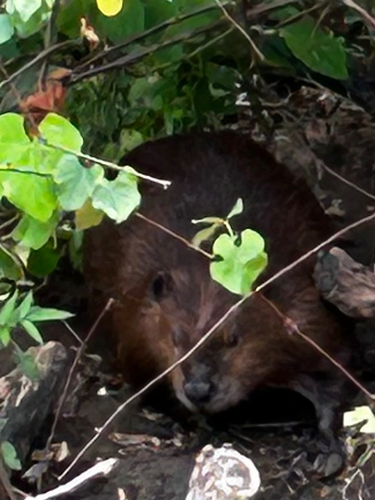
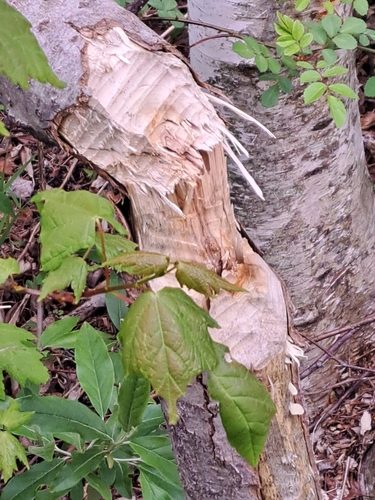
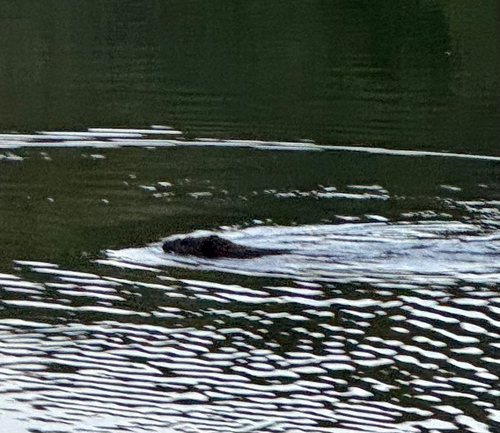
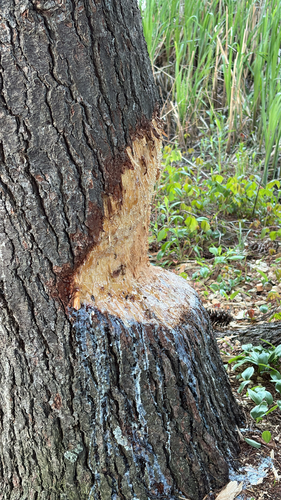
Beaver activity in Connecticut has been recorded regularly in recent weeks, with the most recent confirmed sighting logged on May 13, 2026. That observation is part of a steady cluster of detections through early and mid-May, drawn from platforms including iNaturalist and GBIF. Across all records on BeaverTracker, Connecticut accounts for 583 sightings — a meaningful dataset, though not an unusually dense one compared to larger or more heavily monitored states. All recent observations were of the animal itself rather than indirect signs, which suggests observers are encountering beavers in the field rather than simply noting dams or chewed wood.
Beavers occupy an outsized ecological role relative to their size. As a keystone species, they reshape the landscapes they move through. Their dams slow and spread water across floodplains, raising the water table and creating wetland habitat that benefits a wide range of other species — amphibians, waterfowl, fish, and invertebrates among them. These impoundments can also help buffer against drought by retaining water that would otherwise flow quickly downstream. In a broader context of shifting precipitation patterns, beaver activity is increasingly discussed as a low-cost, self-sustaining form of landscape-scale water retention. None of that ecological work requires a large population to begin; a single family can transform a stretch of stream over the course of a season.
Connecticut's mix of forested uplands and stream corridors provides plausible habitat, though the data here does not specify where within the state these sightings occurred. If you've observed a beaver in Connecticut, contributing your observation through iNaturalist or a similar platform helps build the kind of long-term record that researchers and land managers can actually use.
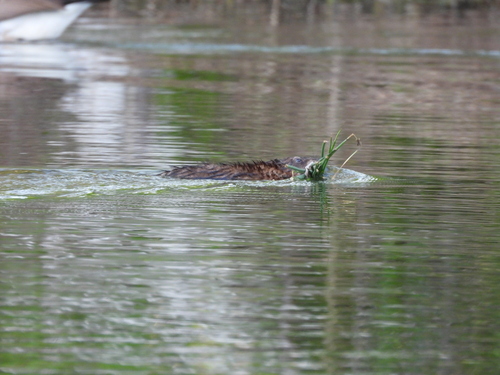
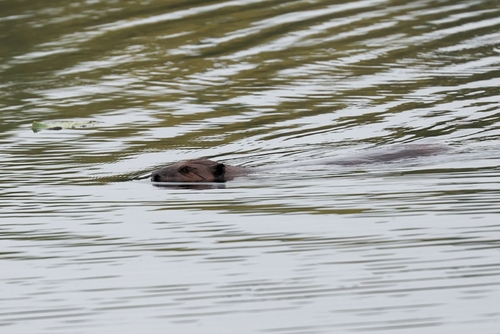
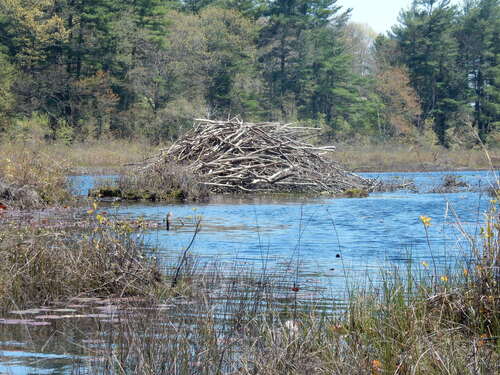
Recent observations



Get monthly updates for Connecticut
One email a month. Notable sightings, dam activity, and ecological notes.