Beaver Sightings in Delaware
192 documented observations · most recent 5/19/2026
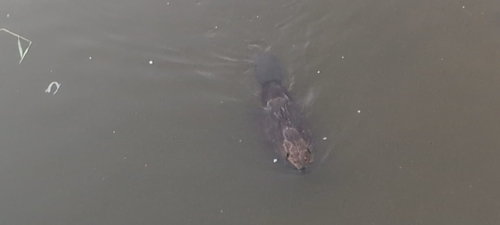
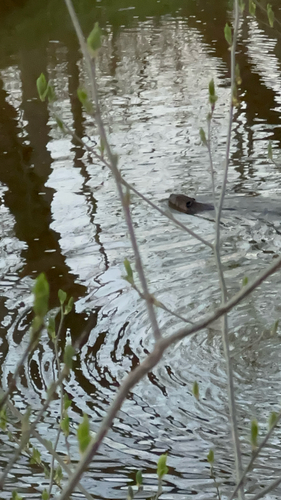
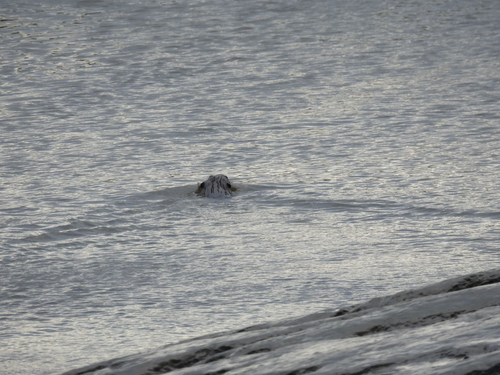
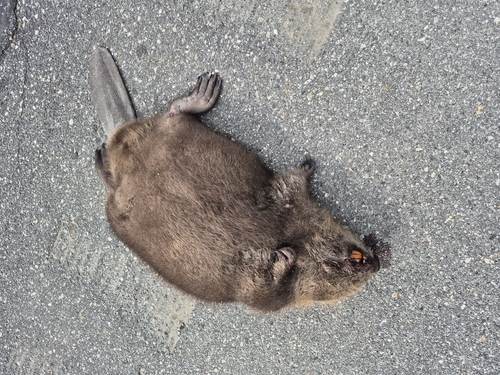
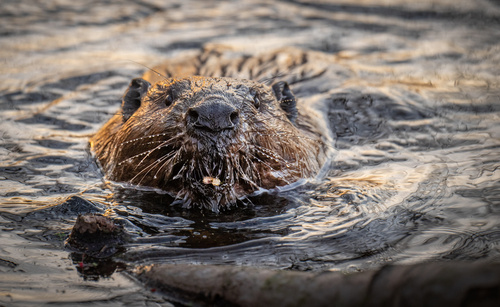
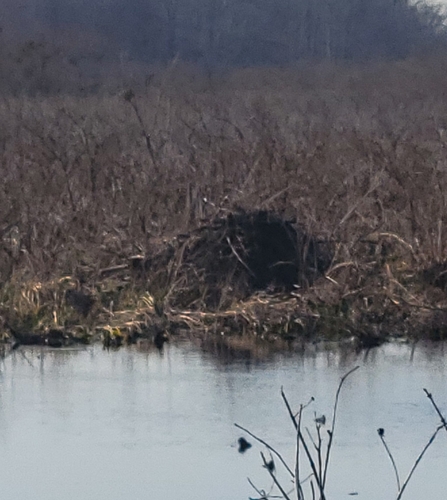
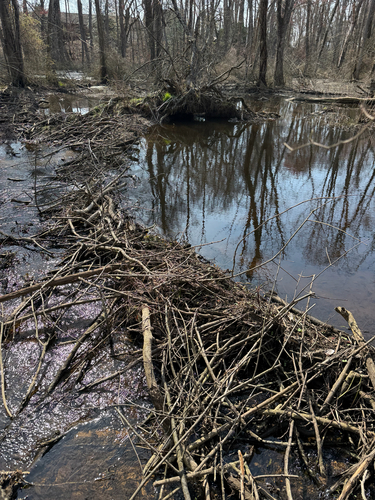
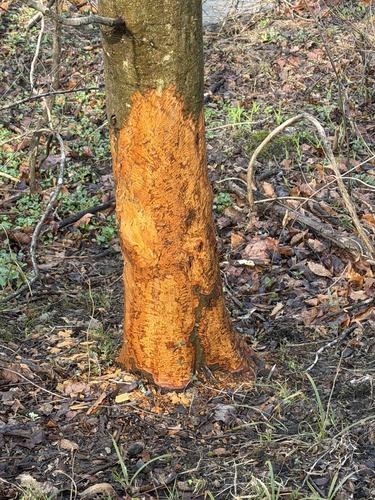
Delaware's beaver record stands at 192 sightings, with the most recent observation logged on May 19, 2026. Recent months have been reasonably active — a handful of sightings came in during late March and early April 2026, including at least one observation noting what appeared to be a beaver lodge. All ten of the most recent records describe direct animal evidence, which suggests observers are encountering the animals themselves rather than just secondary signs like chewed stumps or dams. That said, county-level detail is sparse in the current data, so it is difficult to say much about where within Delaware these encounters are concentrated.
The broader sighting count of 192 is modest for a state-level record, reflecting either a limited beaver population, gaps in reporting, or some combination of both. Delaware is a small and heavily developed state, which naturally constrains habitat availability for a semi-aquatic mammal that depends on slow-moving water and adjacent woodland. Still, the steady trickle of recent observations points to an ongoing presence worth tracking.
Beavers are considered a keystone species across much of their North American range because their dam-building behavior can substantially reshape freshwater systems. By slowing water flow, their structures raise local water tables, expand wetland area, and create habitat used by a wide range of other species. In drier periods, beaver-modified landscapes can retain water longer than unaltered streams, which has made them a point of interest in conversations about landscape resilience. Where salmon runs exist, beaver ponds have been associated with improved rearing habitat for juveniles, though that dynamic is not specific to Delaware's geography.
If you have spotted a beaver in Delaware, contributing an observation to iNaturalist or a similar platform helps fill in the picture for researchers and the public alike.
Recent observations
Get monthly updates for Delaware
One email a month. Notable sightings, dam activity, and ecological notes.