Beaver Sightings in Kansas
396 documented observations · most recent 5/6/2026
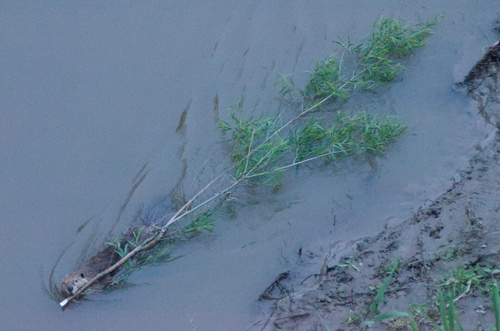
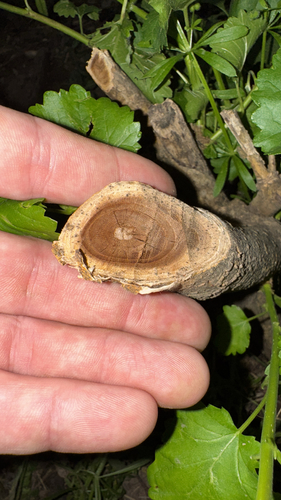
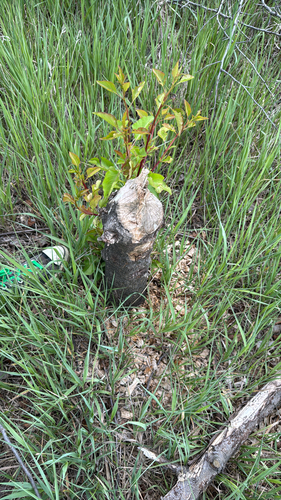
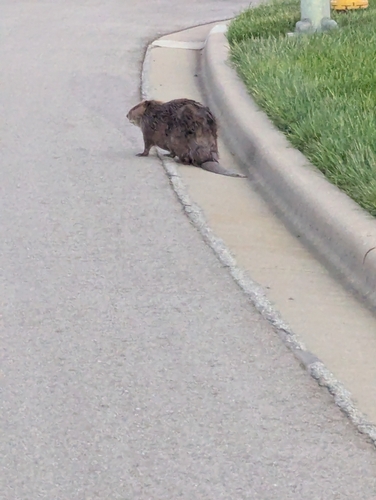
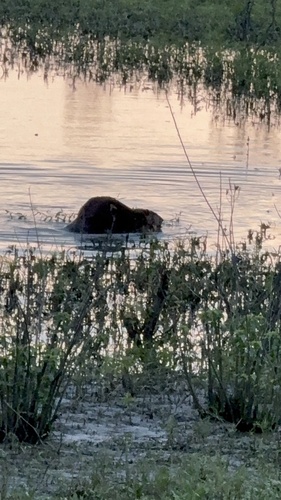
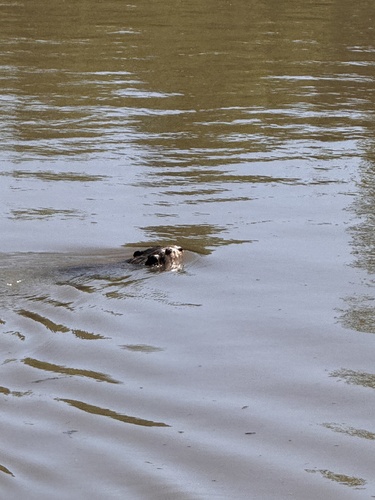
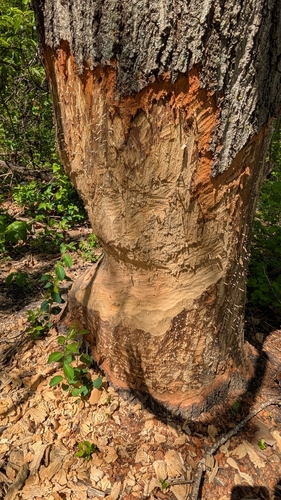
Beaver activity in Kansas is ongoing, with 396 sightings on record and the most recent observation logged on May 6, 2026. Recent reports have come in consistently through late April and into early May of this year, suggesting that beavers remain a present, if not heavily documented, part of the state's wildlife picture. The sightings in this dataset are all recorded as direct animal observations rather than secondary evidence such as tracks or chewed wood, which at minimum indicates that people are encountering beavers in the field rather than just inferring their presence. County-level detail is sparse across recent records, so it isn't possible to point to particular regions of Kansas as hotspots based on what's here.
Beavers are broadly recognized as a keystone species, meaning their influence on local ecosystems tends to be disproportionate to their numbers. Their dam-building behavior slows water movement, raises local water tables, and creates wetland habitat that supports a wide range of other species — amphibians, waterfowl, fish, and riparian vegetation among them. In drier landscapes, beaver-created ponds and saturated soils can help buffer against drought by retaining water that would otherwise drain or evaporate quickly. These characteristics have drawn renewed interest in beavers as a low-cost, naturally occurring tool for improving landscape water retention in the face of changing climate patterns, though the extent to which that dynamic plays out in any specific location depends on local hydrology and land use.
Kansas sits at the edge of the Great Plains, a region not typically associated with dense beaver populations, so 396 total sightings reflects a modest but real presence. If you've seen a beaver in Kansas, reporting it through iNaturalist or a similar platform adds to the baseline data that researchers and land managers rely on to understand how the species is distributed across the state.
Recent observations
Get monthly updates for Kansas
One email a month. Notable sightings, dam activity, and ecological notes.