Beaver Sightings in New York
2,352 documented observations · most recent 5/19/2026
Beaver activity in New York is well documented and currently active, with 2,352 sightings on record and the most recent observation logged on May 19, 2026. The past week alone shows a steady stream of confirmed sightings, all recorded as direct animal observations rather than secondary evidence like tracks or chewed wood. That consistency points to a population that is present and visible enough for observers to encounter regularly.
The volume of records here owes a great deal to community science. Platforms like iNaturalist allow naturalists, hikers, and curious passersby to log what they see in the field, and New York's dataset reflects that kind of sustained, distributed attention. More sightings do not automatically mean more beavers, but a record this size does suggest that people are looking and finding.
Beavers are worth watching for reasons that go well beyond their novelty. As a keystone species, they reshape the landscapes they occupy in ways that benefit a wide range of other wildlife. Their dams slow water movement, raise local water tables, and create wetland habitat where little may have existed before. Those impoundments can buffer the effects of drought by retaining water through dry periods, and the slower, cooler water they produce can improve conditions for fish and amphibians. In regions facing more variable precipitation, beaver activity is increasingly recognized as a low-cost form of natural water storage.
None of that makes every beaver-human encounter straightforward. Flooded roads, compromised culverts, and damaged trees are real concerns that land managers weigh against the ecological benefits. The picture is genuinely mixed, and the data here does not resolve that tension one way or the other. What it does show is that beavers remain a consistent presence across New York, and that a engaged community of observers is paying attention.
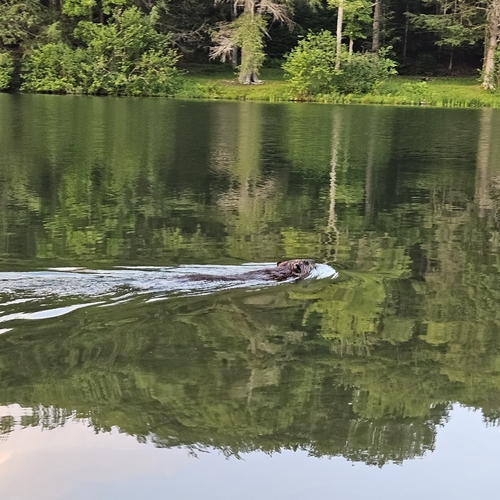
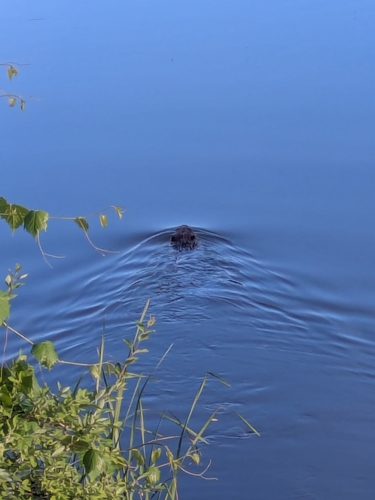
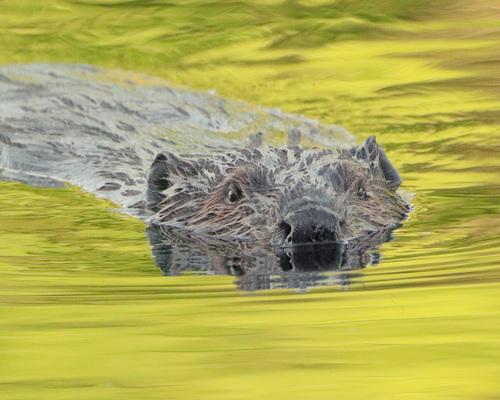
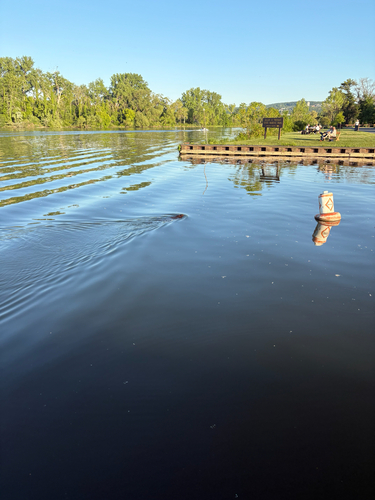
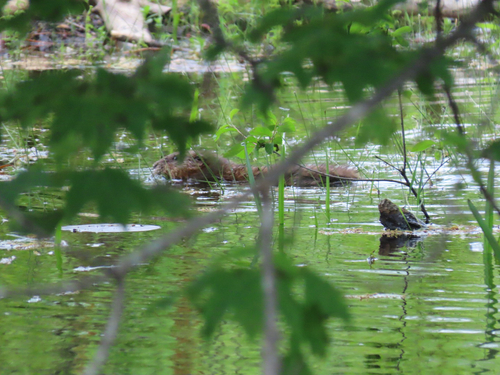
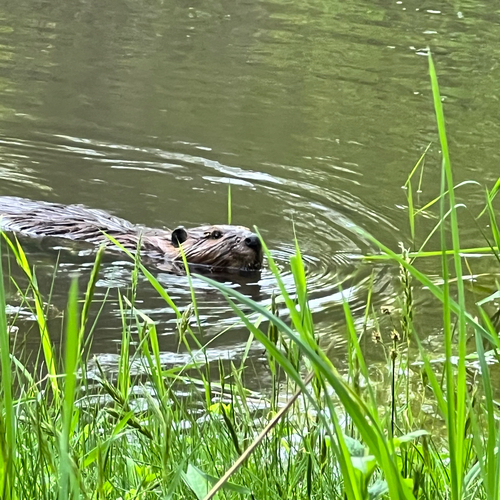
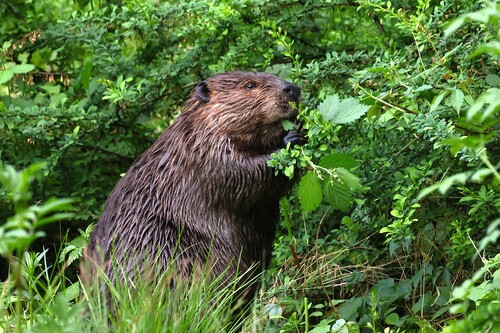
Recent observations
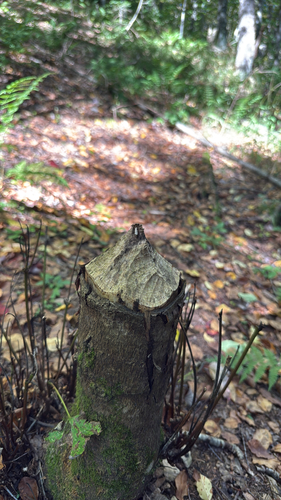
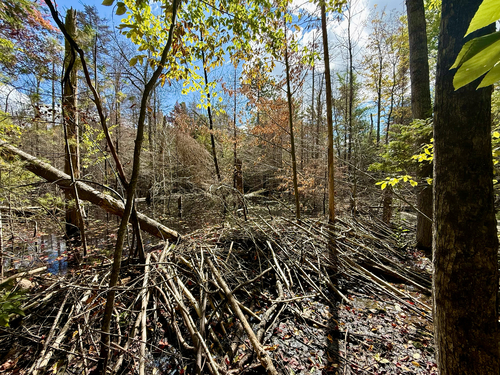
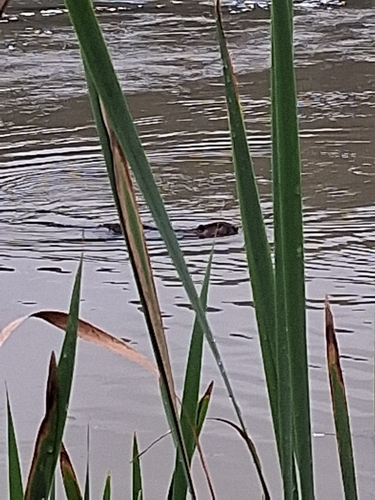
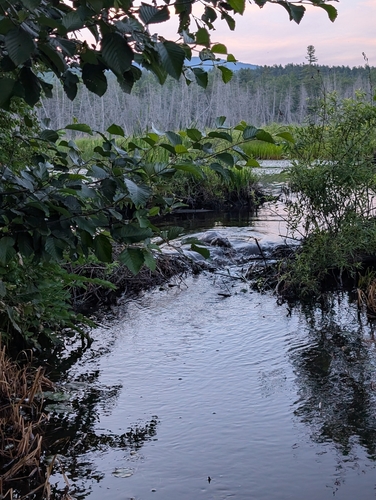
Get monthly updates for New York
One email a month. Notable sightings, dam activity, and ecological notes.