Beaver Sightings in Utah
683 documented observations · most recent 5/20/2026
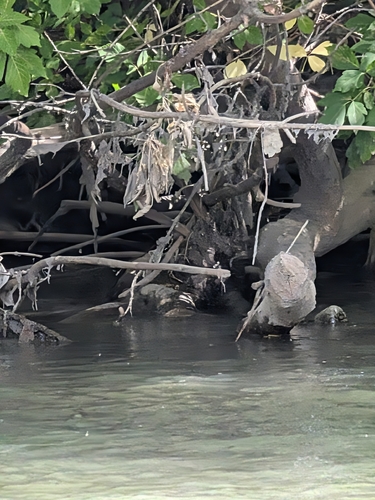
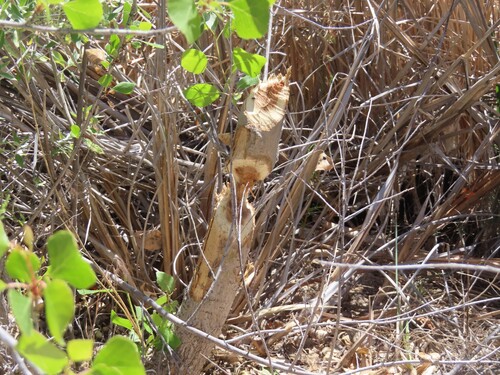
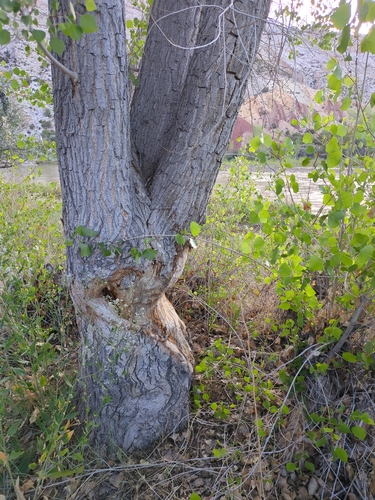
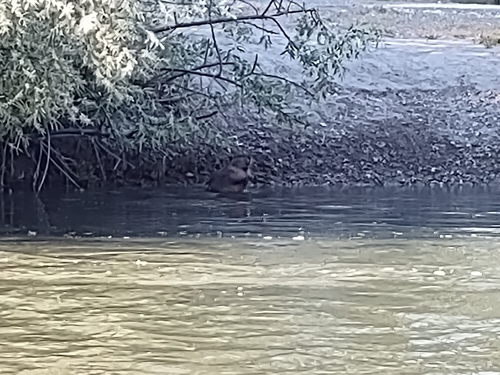
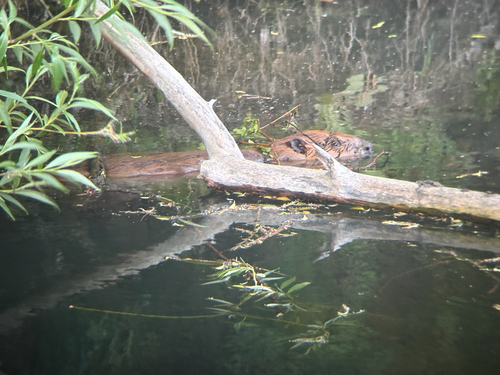
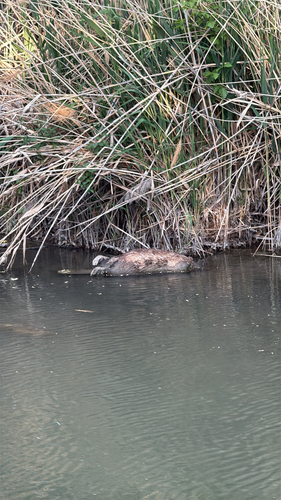
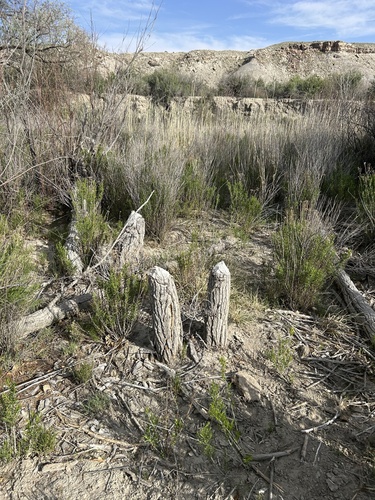
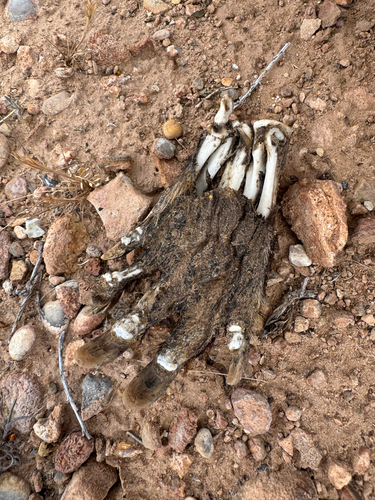
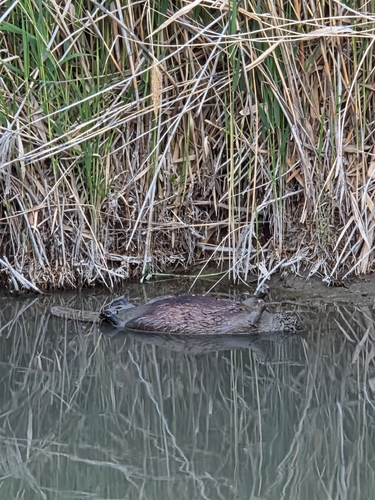
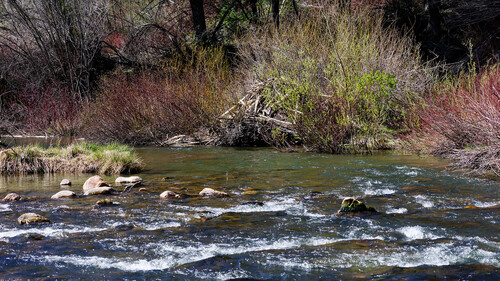
Beaver activity in Utah has been documented steadily into mid-2026, with the most recent observation recorded on May 20th showing a mammal collecting branches in the water — a classic and recognizable foraging behavior. BeaverTracker currently holds 683 sightings on record for the state, drawn from community science platforms. Recent weeks have produced a handful of additional reports, including a lodge sighting and, on one occasion, a deceased animal. County-level location data is sparse across these recent entries, which limits how precisely activity can be mapped for now.
That sighting count is modest, and it reflects the realities of community-submitted data: beavers are often active at dawn and dusk, in places people don't frequently visit, so absences in the record don't necessarily mean absences on the ground. Still, the observations that do come in offer a useful window into where and how these animals are moving through the landscape.
Beavers are considered a keystone species across North America. Their dam-building slows and spreads water across floodplains, raising local water tables and creating wetland habitat that benefits a wide range of plants and wildlife. In arid and semi-arid regions, that capacity to hold water on the landscape has drawn growing attention from land managers and researchers interested in drought resilience and long-term water retention. A beaver-modified stretch of stream behaves differently than an unmodified one — storing more water, moderating temperature swings, and supporting denser riparian vegetation.
Utah's mix of river corridors and high desert terrain makes it an interesting place to follow these dynamics, even if the data on hand doesn't yet tell a complete story. If you've spotted a beaver or beaver sign in Utah, adding your observation helps fill in that picture.
Recent observations
Get monthly updates for Utah
One email a month. Notable sightings, dam activity, and ecological notes.