Beaver Sightings in Wisconsin
788 documented observations · most recent 5/21/2026
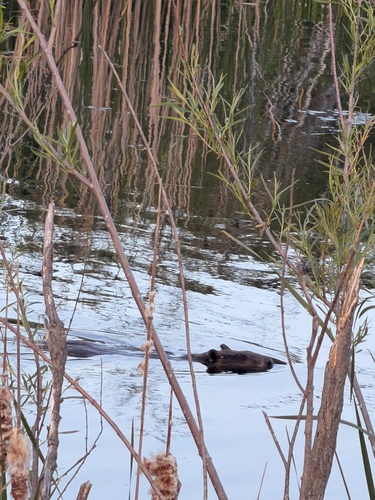
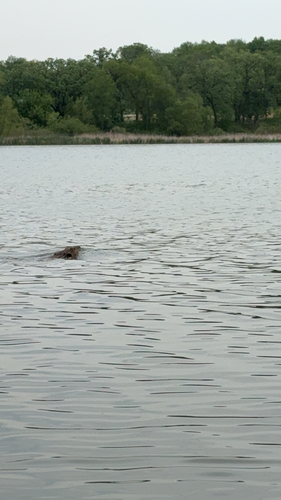
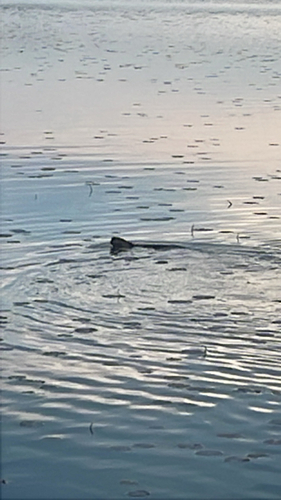
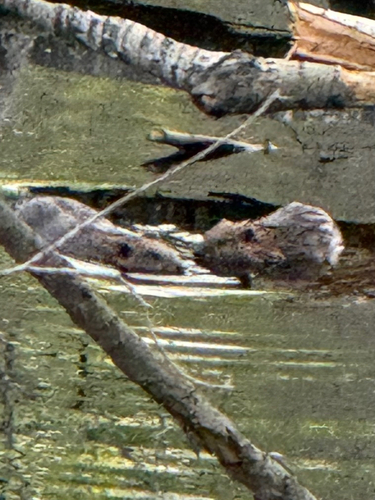
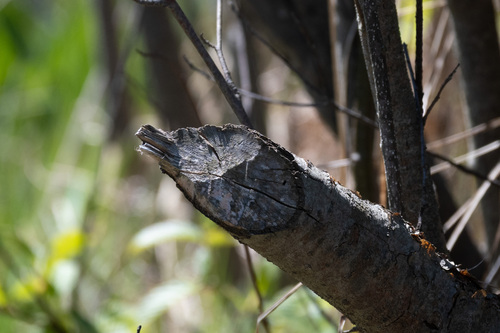
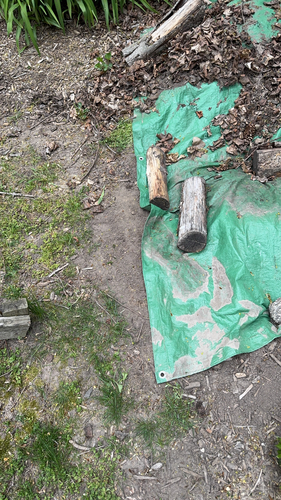
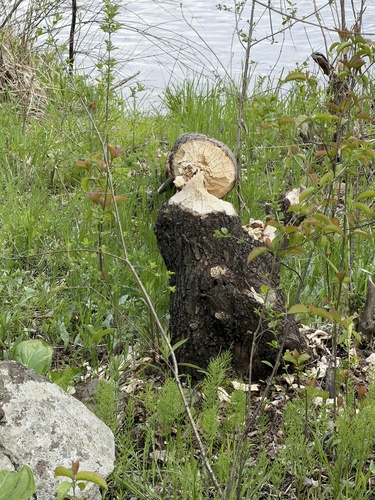
Beaver activity in Wisconsin remains steady, with the most recent observation logged on May 21, 2026, and a handful of additional sightings recorded throughout May of that year. Across all time, BeaverTracker holds 788 beaver sightings from the state — a respectable but not outsized count that reflects a mix of casual observer reports and more deliberate wildlife documentation. Among the recent records, one observer noted a cluster of alders showing clear signs of beaver felling, a good reminder that beavers leave their mark on a landscape long before you ever spot the animal itself. Most of the recent observations are catalogued simply as animal sightings, with limited descriptive detail, so the picture they paint is broad rather than granular.
That said, the presence of beavers in a watershed tends to matter well beyond the count of any one species. Beavers are widely recognized as a keystone species, meaning their behavior reshapes habitat in ways that benefit a much wider community of plants and animals. By felling trees and engineering dams, they slow moving water, raise local water tables, and create wetland areas that would not otherwise exist. These impoundments can buffer against drought, filter sediment, and support species that depend on still or slow-moving water. In regions where salmon or other migratory fish are present, beaver ponds can provide critical rearing habitat, though the relationship is context-dependent and not something the current Wisconsin data speaks to directly.
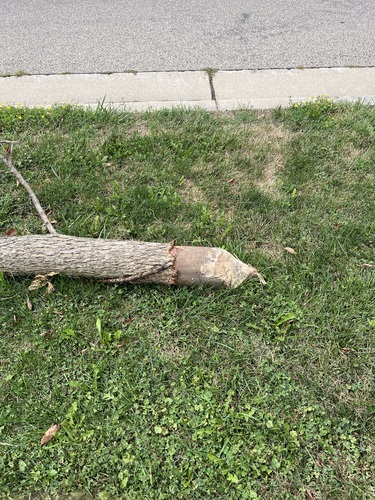
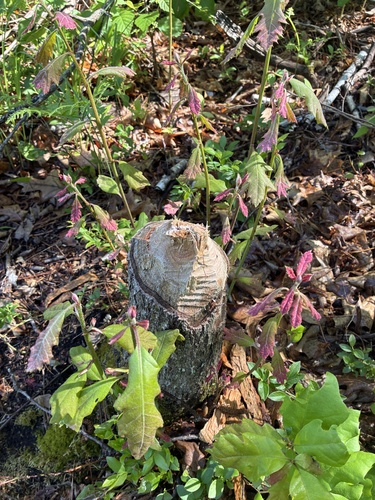
Wisconsin's mix of forested land and abundant waterways provides generally suitable conditions for beavers, and the ongoing trickle of sightings suggests they continue to occupy parts of the state. If you spot a beaver or find fresh sign — gnawed stumps, a new dam, or a muddy slide down a bank — adding an observation helps fill in the gaps.
Recent observations
Get monthly updates for Wisconsin
One email a month. Notable sightings, dam activity, and ecological notes.